واحد من أكثر الأسئلة اللي بتوصلنا من أصحاب المشاريع: "أشغّل اعلانات جوجل ولا ميتا؟" والصراحة، السؤال نفسه مش مطروح بالطريقة الصح. المنصتين مش بديل عن بعض، وكل وحدة فيهم بتشتغل بمنطق مختلف تماماً. الفهم الصحيح للفرق بينهم هو اللي بيحدد وين تحط فلوسك أول، مش أي منصة "أحسن" بشكل مطلق.
ما الفرق الأساسي بين اعلانات جوجل واعلانات ميتا؟
الفرق الجوهري مش بالتصميم ولا بالواجهة، هو بـ"لحظة الظهور". اعلانات جوجل بتظهر لما شخص يكتب بنفسه عبارة بحث بمحرك البحث - يعني هو أصلاً عم يدور على حل لمشكلة عنده، وانت بس عم تظهر قدامه بلحظة البحث. هاي حالة اسمها "نية شرائية" (Intent).
اعلانات ميتا (فيسبوك وانستغرام) بالمقابل بتظهر لشخص عم يتصفح فيده بشكل عادي - يعني هو مش عم يدور على شي بالضرورة، بس الخوارزمية حددت إنه ممكن يكون مهتم بناءً على اهتماماته وسلوكه السابق. هاي حالة اسمها "اكتشاف" (Discovery).
هاد الفرق بسيط بالكلام بس تأثيره كبير جداً على النتيجة. شخص بيبحث بجوجل عن "توصيل زهور اليوم" عنده احتمالية شراء أعلى بكثير من شخص شايف إعلان زهور وهو عم يتصفح انستغرام بدون أي قصد شراء مسبق.
متى تفوز اعلانات جوجل القائمة على النية الشرائية؟
اعلانات جوجل بتكون الخيار الأقوى لما:
- خدمتك أو منتجك معروف بالاسم، والناس فعلاً بتدور عليه بمحرك البحث (زي "سباك قريب مني" أو "محامي عقارات عمان").
- عندك خدمة طارئة أو احتياج فوري (صيانة، طوارئ طبية، خدمات قانونية).
- بتبيع منتج أو خدمة بقرار شراء واضح وموجود أصلاً بالسوق، مش شي جديد كلياً على الناس.
بهاي الحالات، الشخص وصلك وهو أصلاً بمرحلة متقدمة من قرار الشراء، فمعدل التحويل بيكون أعلى حتى لو تكلفة النقرة أغلى. صفحة اعلانات جوجل عندنا بتشرح كيف منبني هالنوع من الحملات لالتقاط هالطلب الموجود فعلياً.
متى تفوز اعلانات ميتا القائمة على الاكتشاف والاهتمامات؟
اعلانات ميتا بتكون الخيار الأذكى لما:
- منتجك أو مشروعك جديد والناس أصلاً ما بتعرف فيه، يعني ما راح تدور عليه بجوجل لأنها ما سمعت فيه أصلاً.
- المنتج بيعتمد على الجاذبية البصرية (أزياء، مطاعم، منتجات استهلاكية، ديكور).
- هدفك بناء وعي بالعلامة التجارية وجمهور متابع قبل ما تنتقل لمرحلة البيع المباشر.
- بدك تستهدف شريحة عمرية أو اهتمامات محددة بدقة (زي الأمهات الجدد أو محبي الرياضة).
بهاي الحالات، الشخص لسا ما وصل لمرحلة "أنا محتاج هالشي دلوقتي"، وإعلانك هو اللي عم يعرّفه على الحاجة أو الرغبة من الأساس. صفحة اعلانات ميتا بتفصّل كيف منبني حملات اكتشاف فعالة على فيسبوك وانستغرام.
ما الفرق في التكلفة بين المنصتين؟
من ناحية التكلفة، الصورة معقدة شوي وبتحتاج توضيح:
- تكلفة الوصول (CPM): بشكل عام أرخص على ميتا، لأنه مساحة الإعلان أوسع والاستهداف حسب الاهتمامات بيسمح بوصول أكبر بسعر أقل.
- تكلفة النقرة (CPC): عادة أعلى على جوجل، خصوصاً بالمجالات التنافسية، لأنك عملياً "بتشتري" لحظة بحث الشخص عن حل لمشكلته.
- جودة الزيارة: هون الميزان بينعدل - نقرة أغلى من جوجل غالباً بتكون أقرب لتحويل فعلي (طلب، حجز، استفسار) من نقرة أرخص من ميتا لشخص لسا بمرحلة استكشاف.
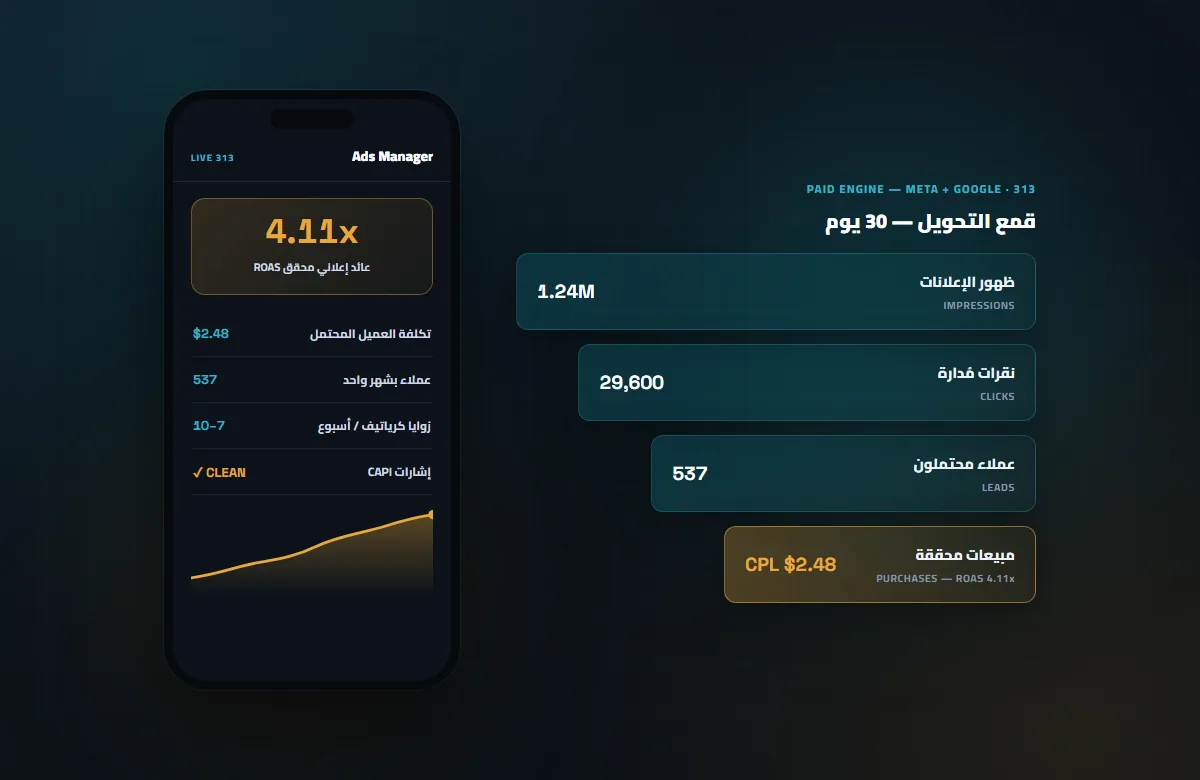
يعني الحكم على "مين أرخص" بس من رقم تكلفة النقرة أو الوصول مش كافي - لازم تشوف تكلفة التحويل الفعلي (Cost per Lead)، مش بس تكلفة الظهور أو النقرة.
كيف تعمل جوجل وميتا مع بعض بدل ما تتنافس؟
أنضج استراتيجية على المدى الطويل مش "جوجل أو ميتا"، هي "جوجل ومعا ميتا" بترتيب مدروس:
- تستخدم ميتا لبناء وعي بمنتجك وجمع جمهور مهتم، خصوصاً لو مشروعك جديد نسبياً.
- نفس الجمهور اللي شاف اعلانك على ميتا، بعد فترة بيوصل لمرحلة "بدي أطلب/أحجز فعلياً" - وهون بيروح يبحث بجوجل عن اسمك أو خدمتك تحديداً.
- حملة جوجل بتكون جاهزة تلتقط هالطلب لما يوصل لمرحلة البحث الفعلي.
هاد الترتيب بيخلي كل منصة تسند الثانية بدل ما توزّع ميزانيتك على استراتيجيتين منفصلتين ما بتتكلموا مع بعض. طبعاً هالتكامل بيحتاج أساس رقمي متين تحته - موقع سريع وواضح، وحضور جيد بنتائج البحث الطبيعية عن طريق تحسين محركات البحث - عشان لما الجمهور يوصل، يلاقي تجربة متسقة.
بأي منصة يجب أن يبدأ صاحب المشروع الصغير؟
لو ميزانيتك محدودة والقرار بين المنصتين صعب، اسأل نفسك سؤال بسيط: "هل الناس بتدور على خدمتي هاي بالاسم؟"
- لو الجواب نعم (زي عيادة، محل، خدمة صيانة، مطعم توصيل)، ابدأ بجوجل. أنت بتلتقط طلب موجود أصلاً.
- لو الجواب لأ أو مش متأكد (منتج جديد، فكرة مبتكرة، براند لسا مش معروف)، ابدأ بميتا. أنت بتخلق الطلب من الصفر.
مهما اخترت، خلي طريقة التواصل بسيطة. كثير من الزوّار - سواء جايين من جوجل أو ميتا - بيفضلوا يتواصلوا مباشرة بدل تعبئة نماذج طويلة، فتوفير قناة زي واتساب للأعمال بيرفع فرصة تحويل الاهتمام لطلب فعلي بغض النظر عن مصدر الزيارة.
إذا مش متأكد أي منصة تبدأ فيها أو كيف توزع ميزانيتك بينهم، تواصل معنا عبر واتساب واحجز استشارة مجانية. منراجع طبيعة مشروعك سوا ومنقترحلك الترتيب الأنسب.
مش عارف أي قناة تناسب شغلك أصلاً؟ شوف دليل اختيار القناة: ميتا أم جوجل أم واتساب.
One of the most common questions we get from business owners is: "should I run Google Ads or Meta Ads?" Honestly, the question itself is usually framed the wrong way. The two platforms aren't substitutes for each other — each works on a completely different logic. Understanding that difference correctly is what determines where you put your money first, not which platform is "better" in some absolute sense.
What's the core difference between Google Ads and Meta Ads?
The fundamental difference isn't in design or interface, it's in the "moment of appearance." Google Ads shows when someone types a search query themselves — meaning they're already looking for a solution to a problem, and you're simply appearing in front of them at that exact moment. This is called "intent."
Meta Ads (Facebook and Instagram), on the other hand, shows to someone casually scrolling their feed — they're not necessarily looking for anything, but the algorithm has determined they might be interested based on their behavior and interests. This is called "discovery."
That difference sounds simple in words, but its effect on results is significant. Someone searching Google for "flower delivery today" has a much higher likelihood of buying than someone who sees a flower ad while browsing Instagram with no prior purchase intent.
When does intent-based Google Ads win?
Google Ads is the stronger choice when:
- Your service or product is already known by name, and people genuinely search for it (like "plumber near me" or "real estate lawyer Amman").
- You offer an urgent service or immediate need (repairs, medical emergencies, legal services).
- You sell a product or service with a clear buying decision that already exists in the market, not something entirely new to people.
In these cases, the person reaches you already at a fairly advanced stage of the buying decision, so conversion rates tend to be higher even if the cost-per-click is more expensive. Our Google Ads page explains how we build this type of campaign to capture demand that already exists.
When does interest-based Meta Ads win?
Meta Ads is the smarter choice when:
- Your product or business is new and people don't yet know about it, meaning they won't search for it on Google since they haven't heard of it yet.
- The product relies on visual appeal (fashion, restaurants, consumer goods, decor).
- Your goal is building brand awareness and a following before moving into direct selling.
- You want to precisely target a specific age group or interest segment (like new parents or fitness enthusiasts).
In these cases, the person hasn't yet reached the "I need this right now" stage — your ad is what introduces them to the need or desire in the first place. Our Meta Ads page details how we build effective discovery campaigns on Facebook and Instagram.
What's the cost difference between the two platforms?
Cost-wise, the picture is a bit more nuanced and worth explaining:
- Reach cost (CPM): generally cheaper on Meta, since ad space is broader and interest-based targeting allows greater reach at a lower price.
- Cost-per-click (CPC): usually higher on Google, especially in competitive industries, since you're essentially "buying" the moment someone searches for a solution.
- Traffic quality: this is where the balance shifts — a more expensive Google click is often closer to an actual conversion (order, booking, inquiry) than a cheaper Meta click from someone still exploring.
So judging "which is cheaper" purely from CPC or CPM numbers isn't enough — you need to look at cost-per-lead, not just impression or click cost.
How do Google and Meta work together instead of competing?
The more mature long-term strategy isn't "Google or Meta," it's "Google and Meta" in a deliberate sequence:
- Use Meta to build awareness of your product and gather an interested audience, especially if your business is relatively new.
- That same audience who saw your Meta ad eventually reaches the "I want to order/book now" stage — and that's when they go search Google specifically for your name or service.
- Your Google campaign is ready to capture that demand once it reaches the actual search stage.
This sequence lets each platform support the other instead of splitting your budget across two disconnected strategies. Naturally, this integration needs a solid digital foundation underneath it — a fast, clear website and good visibility in organic search results through search engine optimization — so that when the audience arrives, they find a consistent experience.
Which platform should a small business start with?
If your budget is limited and the choice between the two feels hard, ask yourself a simple question: "do people already search for this service by name?"
- If yes (a clinic, a shop, a repair service, a delivery restaurant), start with Google. You're capturing demand that already exists.
- If no, or you're not sure (a new product, an innovative idea, a brand not yet known), start with Meta. You're creating demand from scratch.
Whichever you choose, keep the way people can reach you simple. Many visitors — whether from Google or Meta — prefer to reach out directly instead of filling long forms, so offering a channel like WhatsApp for Business increases the chance of turning interest into an actual inquiry, regardless of where the traffic came from.
If you're not sure which platform to start with or how to split your budget between them, reach out via WhatsApp and book a free consultation. We'll review your business together and suggest the right sequence.
Not sure which channel fits your business in the first place? See our guide to choosing between Meta, Google and WhatsApp.
خلينا نطبّقها على حسابكLet us apply this to your account
تدقيق مجاني 15 دقيقة — منشوف فرصك بالسيو والإعلانات، بدون التزام. A free 15-minute audit — we map your SEO and ads opportunities, no strings attached.
احجز تدقيق مجاني Book a free auditأو شوف إدارة إعلانات جوجل في الأردن مباشرة. Or see Google Ads management in Jordan directly.
أسئلة شائعةFAQ
ايهما أرخص، اعلانات جوجل ولا اعلانات ميتا؟Which is cheaper, Google Ads or Meta Ads? +
بشكل عام تكلفة الوصول للألف شخص (CPM) بميتا أرخص من جوجل، لأنه ميتا بتعتمد على الاستهداف حسب الاهتمامات ومساحة الإعلان أوسع. بالمقابل تكلفة النقرة الواحدة بجوجل ممكن تكون أعلى، بس النقرة نفسها غالباً أقرب لعملية شراء فعلية لأنها جاية من بحث مقصود.
Generally, cost per thousand impressions (CPM) is cheaper on Meta since it relies on interest-based targeting across a wider ad space. Google's cost-per-click can be higher, but that click is often closer to an actual purchase since it comes from intentional search.
هل ممكن اشتغل على جوجل وميتا بنفس الوقت بميزانية صغيرة؟Can I run Google and Meta at the same time on a small budget? +
الأفضل إنك ما توزع ميزانية صغيرة جداً على منصتين بنفس الوقت، لأنه كل منصة بتحتاج حد أدنى من البيانات عشان تشتغل كويس. الأنسب إنك تبدأ بمنصة وحدة، توصل لنتائج ثابتة، وبعدين تضيف المنصة الثانية لما تكبر الميزانية أو يثبت أداء الأولى.
It's better not to split a very small budget across both platforms simultaneously, since each needs a minimum amount of data to perform well. It's more effective to start with one platform, reach steady results, then add the second once your budget grows or the first proves itself.
ايش نوع الأعمال اللي اعلانات ميتا بتناسبها أكثر من جوجل؟What kind of business suits Meta Ads more than Google Ads? +
اعلانات ميتا بتناسب أكثر المنتجات اللي بتعتمد على الإغراء البصري والاكتشاف - زي المنتجات الاستهلاكية، الأزياء، المطاعم، المشاريع الجديدة اللي لسا مش معروفة بالاسم. الناس ما بتدور على هاي المنتجات بجوجل لأنها أصلاً ما بتعرف فيها لسا.
Meta Ads suit products that rely on visual appeal and discovery — consumer goods, fashion, restaurants, and newer businesses not yet known by name. People don't search for these on Google because they don't yet know they exist.
ليش الناس بتحس إعلانات جوجل أصعب من ميتا بالإدارة؟Why do people find Google Ads harder to manage than Meta? +
لأنه اعلانات جوجل بتعتمد على اختيار كلمات مفتاحية دقيقة، مطابقة صحيحة، وكلمات سلبية مستمرة، وهاد بيحتاج متابعة تقنية أدق. اعلانات ميتا أسهل بالبداية من ناحية الإعداد لأنها بتعتمد أكثر على المحتوى البصري والاستهداف الجاهز، بس هاد ما يعني إنها أبسط من ناحية النتائج.
Because Google Ads relies on precise keyword selection, correct match types, and ongoing negative keyword work, which requires more technical follow-up. Meta Ads is easier to set up initially since it leans more on visual content and pre-built targeting, but that doesn't mean it's simpler in terms of results.
هل ممكن اشتغل جوجل وميتا مع بعض بشكل متكامل؟Can Google and Meta work together in an integrated way? +
أكيد، وهاي فعلياً الاستراتيجية الأنضج على المدى الطويل. ممكن تستخدم ميتا لبناء وعي وجمهور مهتم، وجوجل لالتقاط الطلب لما نفس هالجمهور يوصل لمرحلة البحث الفعلي عن الحل. المنصتين بيكملوا بعض أكثر ما بيتنافسوا.
Absolutely, and that's actually the more mature long-term strategy. You can use Meta to build awareness and an interested audience, and Google to capture demand once that same audience reaches the stage of actively searching for a solution. The two platforms complement each other more than they compete.

وكالة سيو وإعلانات وبرمجيات في عمّان — نبني أنظمة نمو حقيقية للأردن والخليج ومصر.
An SEO, ads & software agency in Amman — building real growth systems for Jordan, the Gulf and Egypt.