بعد ما تعرف شو بتعمل وكالة الذكاء الاصطناعي، السؤال الطبيعي التالي: "طيب قديش بتكلف؟" وهاد بالضبط السؤال اللي أغلب الوكالات بتتهرب منه بـ"بيعتمد". صحيح إنه بيعتمد — بس ممكن نشرح على شو بيعتمد، ونعطيك نطاقات صريحة وطريقة حساب العائد قبل ما تدفع دينار.
نماذج التسعير الثلاثة
- مشروع محدد النطاق: أتمتة وحدة واضحة (مثلاً: نظام رد وتأهيل استفسارات واتساب) بسعر ثابت ومخرجات مكتوبة. الأنسب للبداية — مخاطرة محدودة ونتيجة قابلة للقياس.
- اشتراك شهري: الوكالة بتبني وبتشغّل وبتحسّن باستمرار — عمليات جديدة كل فترة، مراقبة، وتطوير. الأنسب لما تقرر إنه الأتمتة جزء دائم من عملياتك.
- حسب الاستخدام أو النتيجة: دفع مربوط بحجم المعاملات أو النتائج. جذاب نظرياً، بس بيحتاج قياس ناضج من الطرفين — نادراً ما يكون نقطة البداية الصح.
أغلب العلاقات الناجحة بتمشي بالترتيب: مشروع تأسيسي بيثبت القيمة، بعدين اشتراك بيوسّعها.
شو بيحدد التكلفة فعلياً؟
- تعقيد العملية: رد على استفسارات من قاعدة معرفة أبسط بكثير من وكيل بينفّذ إجراءات بثلاث أنظمة. (الفرق مشروح في مقارنة الوكلاء والشات بوت.)
- عدد الأنظمة المربوطة: كل تكامل — CRM، نقطة بيع، واتساب، محاسبة — بيضيف شغل هندسة واختبار.
- اللغة والدقة المطلوبة: أتمتة بتتعامل مع عربي ولهجات ورسائل عملاء حقيقية بدها ضبط واختبار أعمق من أتمتة داخلية بالإنجليزي.
- حساسية الأخطاء: أتمتة بتبعت ردود رسمية لعملاء بدها طبقات مراجعة وأمان أكثر من أتمتة بتجهّز تقارير داخلية.
- التشغيل بعد التسليم: مراقبة، صيانة، وتحسين — بند شهري لازم يكون واضح من اليوم الأول.
النطاقات الصريحة
- جلسة تحليل وخارطة طريق: من مجاني (كعرض تعارف) لبضع مئات — بتطلع منها بقائمة عمليات مرتبة حسب العائد.
- مشروع أتمتة أول محدد النطاق: بيبدأ من بضعة آلاف من الدنانير وبيصعد مع التعقيد والتكاملات.
- اشتراك بناء وتشغيل مستمر: من بضع مئات شهرياً (تشغيل وصيانة أتمتات قائمة) لآلاف (بناء متواصل لعمليات جديدة).
- تكاليف تشغيل ثابتة: اشتراكات النماذج والأدوات والاستضافة — عشرات لمئات الدولارات شهرياً حسب الاستخدام، بتنحسب فوق كلفة الوكالة.
أي رقم أقل من هيك بكثير بيعني غالباً "تركيب أداة جاهزة" بدون تحليل عمليات — وهاد ممكن تعمله بنفسك ببلاش.
احسب العائد قبل ما توقّع
المعادلة بسيطة وبتحسم القرار:
العائد الشهري = (الساعات الموفّرة × كلفة ساعة الموظف) + قيمة الأخطاء المتجنّبة + قيمة السرعة (عميل بينرد عليه فوراً بدل بكرا)
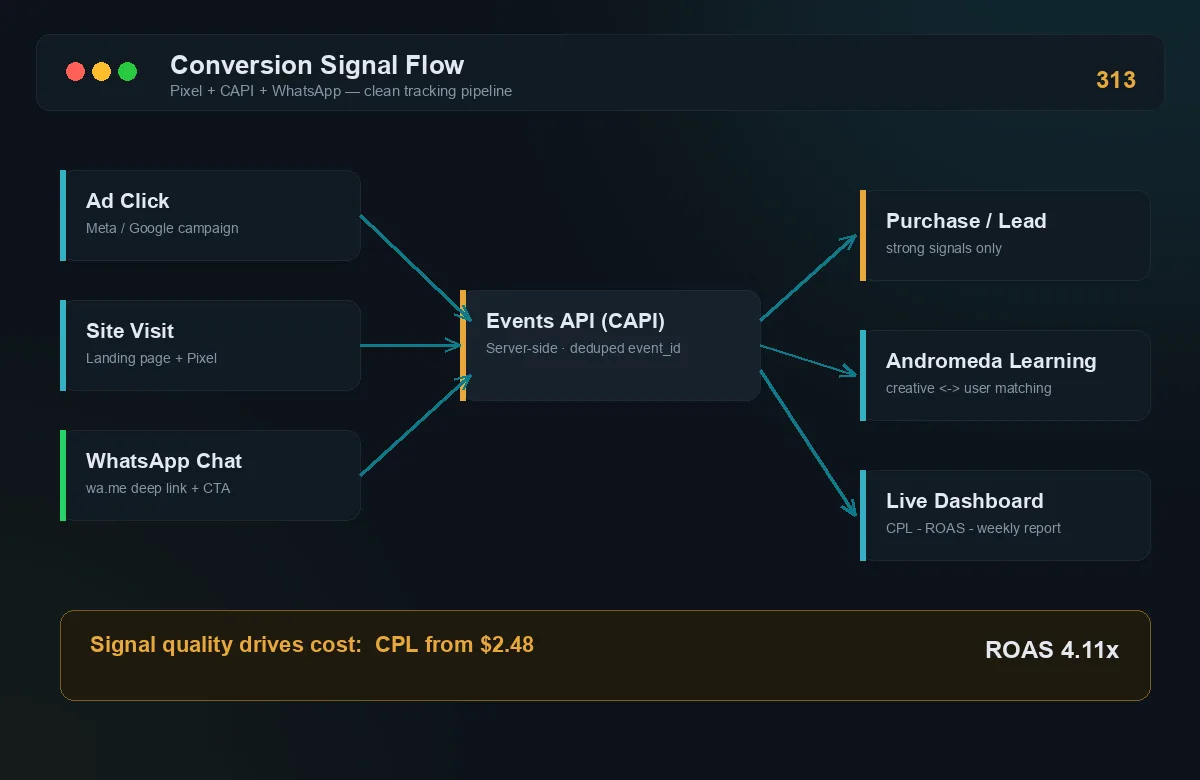
مثال واقعي: أتمتة بتوفر 40 ساعة شهرياً من وقت فريقك، بتغطي كلفة بنائها خلال أشهر قليلة — وكل شهر بعدها صافي توفير. إذا الحسبة ما بتطلع إيجابية خلال 6-12 شهر، العملية المختارة غلط — مش بالضرورة الفكرة كلها. (كيف تختار العملية الصح؟ الدليل هون.) هاي نفس عقليتنا بالإعلانات: كل دينار لازم يرجع بأثر يُقاس — زي حملات وصلت 4.11x عائد على الإنفاق — والأتمتة ما بتختلف: رقم قبل، رقم بعد.
علامات الخطر قبل التعاقد
- عرض بدون حالة استخدام محددة: "بنحوّل شركتك بالذكاء الاصطناعي" بدون تسمية العملية الأولى ومخرجاتها = فاتورة مفتوحة.
- ولا سؤال عن عملياتك الحالية: وكالة بتسعّر قبل ما تفهم كيف بتشتغل ما بتقدر تحدد نطاق صح.
- ما في خطة تشغيل بعد التسليم: مين بيراقب؟ مين بيصلّح لما يتغير نظام من أنظمتك؟ بكم؟
- وعود بدقة مطلقة: الأنظمة الجادة بتنبني بنقاط مراجعة بشرية للحالات الحساسة — اللي بيوعدك "صفر أخطاء" إما ما بيعرف أو بيبيعك.
الخلاصة
تكلفة وكالة الذكاء الاصطناعي بالأردن بتبدأ من بضعة آلاف للمشروع المحدد وبضع مئات شهرياً للتشغيل — والرقم الوحيد اللي بيهم فعلاً هو العائد: ساعات موفّرة وأخطاء متجنّبة بتنقاس كل شهر. ابدأ بعملية وحدة، اطلب مخرجات مكتوبة، واحسب المعادلة قبل التوقيع. جاهز تعرف رقمك؟ اطلب جلسة تحليل من صفحة خدماتنا — بنطلع منها بقائمة عملياتك الأعلى عائداً وعرض واضح البنود. وشوف مركز الذكاء الاصطناعي لباقي أدلة القرار.
Once you know what an AI agency does, the natural next question is: "so how much does it cost?" And that's exactly the question most agencies dodge with "it depends." True, it depends — but we can explain what it depends on, give you frank ranges, and show how to compute the return before you pay a dinar.
The three pricing models
- A defined-scope project: one clear automation (say: a WhatsApp inquiry answering and qualification system) at a fixed price with written deliverables. Best for starting — limited risk and a measurable result.
- A monthly retainer: the agency builds, runs, and continuously improves — new processes over time, monitoring, and development. Best once you decide automation is a permanent part of your operations.
- Usage- or outcome-based: payment tied to transaction volume or results. Attractive in theory, but it needs mature measurement on both sides — rarely the right starting point.
Most successful relationships run in order: a foundation project proves the value, then a retainer expands it.
What actually drives the cost?
- Process complexity: answering inquiries from a knowledge base is far simpler than an agent executing actions across three systems. (The difference is covered in the agents vs chatbots comparison.)
- Number of connected systems: every integration — CRM, POS, WhatsApp, accounting — adds engineering and testing work.
- Language and required accuracy: automation handling Arabic, dialects, and real customer messages needs deeper tuning and testing than internal English-only automation.
- Error sensitivity: automation sending official replies to customers needs more review and safety layers than automation preparing internal reports.
- Operation after delivery: monitoring, maintenance, and improvement — a monthly item that must be explicit from day one.
The frank ranges
- An analysis and roadmap session: from free (as an introduction) to a few hundred — you leave with a list of processes ranked by return.
- A first defined-scope automation project: starts from a few thousand JOD, rising with complexity and integrations.
- A build-and-operate retainer: from a few hundred monthly (running and maintaining existing automations) to thousands (continuous building of new processes).
- Fixed running costs: model and tool subscriptions and hosting — tens to hundreds of dollars monthly by usage, counted on top of the agency fee.
Any number far below these usually means "installing a ready tool" without process analysis — which you could do yourself for free.
Compute the return before you sign
The equation is simple and it settles the decision:
Monthly return = (hours saved x employee hourly cost) + value of errors avoided + value of speed (a customer answered now instead of tomorrow)
A realistic example: an automation saving your team 40 hours a month covers its build cost within a few months — and every month after that is net savings. If the math doesn't turn positive within 6-12 months, the chosen process is wrong — not necessarily the whole idea. (How to choose the right process? The guide is here.) It's the same mindset we apply to advertising: every dinar must return a measurable effect — like campaigns that reached a 4.11x return on ad spend — and automation is no different: a number before, a number after.
Red flags before contracting
- A proposal without a defined use case: "we'll transform your company with AI" without naming the first process and its deliverables = an open invoice.
- No questions about your current operations: an agency that prices before understanding how you work can't scope correctly.
- No post-delivery operating plan: who monitors? who fixes when one of your systems changes? for how much?
- Promises of absolute accuracy: serious systems are built with human review points for sensitive cases — whoever promises "zero errors" either doesn't know or is selling you.
Conclusion
AI agency cost in Jordan starts from a few thousand for a defined project and a few hundred monthly for operation — and the only number that truly matters is the return: hours saved and errors avoided, measured every month. Start with one process, demand written deliverables, and run the equation before signing. Ready to learn your number? Request an analysis session from our services page — you'll leave with your highest-return process list and a clearly itemized proposal. And see the AI hub for the rest of the decision guides.
خلينا نطبّقها على حسابكLet us apply this to your account
تدقيق مجاني 15 دقيقة — منشوف فرصك بالسيو والإعلانات، بدون التزام. A free 15-minute audit — we map your SEO and ads opportunities, no strings attached.
احجز تدقيق مجاني Book a free auditأو شوف وكلاء الذكاء الاصطناعي مباشرة. Or see AI agents directly.
أسئلة شائعةFAQ
شو نماذج التسعير المعتادة عند وكالات الذكاء الاصطناعي؟What are the usual AI agency pricing models? +
ثلاثة رئيسية: (1) سعر مشروع ثابت لأتمتة محددة النطاق — الأوضح للبداية، (2) اشتراك شهري بيغطي البناء والتشغيل والتحسين — الأنسب لما يصير الذكاء الاصطناعي جزء من عملياتك، (3) تسعير حسب الاستخدام أو النتيجة — أقل انتشاراً وبيحتاج قياس ناضج. كثير وكالات بتمزج: مشروع تأسيسي ثم اشتراك تشغيل.
Three main ones: (1) a fixed project price for a defined-scope automation — clearest for starting, (2) a monthly retainer covering build, running, and improvement — best once AI becomes part of your operations, (3) usage- or outcome-based pricing — less common and needs mature measurement. Many agencies blend: a foundation project then an operating retainer.
ليش ما أوظّف موظف ذكاء اصطناعي بدل وكالة؟Why not hire an in-house AI person instead of an agency? +
سؤال صح بالحجم الكبير. بالبداية، الوكالة أوفر: بتجيب خبرة فريق كامل (تحليل عمليات، هندسة، ربط أنظمة) بكلفة أقل من راتب متخصص واحد، وبتتحمل هي مواكبة تطور الأدوات الشهري. لما توصل أتمتاتك لحجم بيشغّل شخص دوام كامل، وقتها التوظيف الداخلي بيصير منطقي — وغالباً بالتكامل مع الوكالة مش بديلاً عنها.
A fair question at scale. Early on, an agency is cheaper: it brings a full team's expertise (process analysis, engineering, systems integration) below the cost of one specialist's salary, and it carries the burden of tracking monthly tool evolution. Once your automations reach a volume that occupies a full-time person, in-house hiring becomes logical — usually alongside the agency, not replacing it.
هل في تكاليف تشغيل شهرية بعد بناء الأتمتة؟Are there monthly running costs after the automation is built? +
نعم، وهاي لازم تكون مكتوبة بالعرض: اشتراكات النماذج والأدوات (عشرات لمئات الدولارات شهرياً حسب الاستخدام)، استضافة، ومراقبة وصيانة. الأتمتة المهجورة بتتعطل مع أول تغيير بأنظمتك — فاسأل دايماً: مين بيراقب وبيصلّح، وبكم؟
Yes, and they must be written into the proposal: model and tool subscriptions (tens to hundreds of dollars monthly by usage), hosting, and monitoring and maintenance. An abandoned automation breaks with the first change in your systems — so always ask: who monitors and fixes, and for how much?

وكالة سيو وإعلانات وبرمجيات في عمّان — نبني أنظمة نمو حقيقية للأردن والخليج ومصر.
An SEO, ads & software agency in Amman — building real growth systems for Jordan, the Gulf and Egypt.